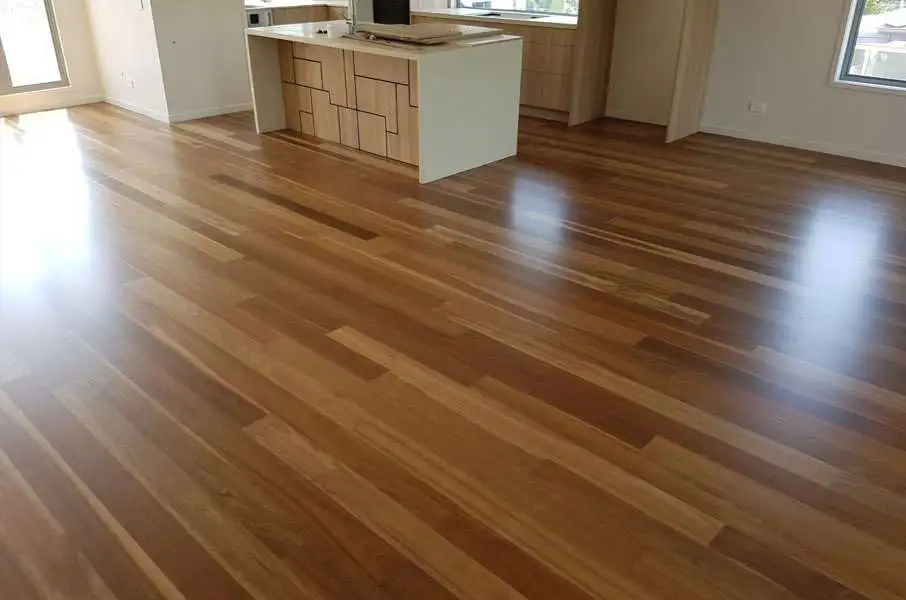
Timber floors are central to many Sydney homes. From classic terraces in Paddington to modern coastal houses in Manly, timber brings warmth, character, and value. However, our beautiful city, with its bright sun, humidity, and active lifestyle, can be tough on them.
Over time, that beautiful finish you admired can start to look dull, scratched, and worn down. You might find yourself mopping and cleaning, yet still wondering why they seem tired. The truth is, a deep clean alone can’t fix the wear and tear on your floors. They’re not just dirty; they’re actually begging for a bit of restoration.
That’s where timber floor sanding and polishing truly make a difference. It’s more than just a quick cleanup; it’s a transformative process that gently removes the damaged top layer, revealing the fresh, natural timber beneath, ready to be protected and loved once more.
As Sydney’s specialists in floor sanding, we at Precise Floor Sanding Sydney have seen it all. We understand the difference between a floor that only needs a quick buff and one that’s crying out for a full sand.
Sign 1: The Obvious Scratches and Dents
This is the most common and visible sign. Let’s break it down into two categories:
- Superficial Scratches: These are fine, light scratches on the topcoat (the polyurethane or oil finish). They often result from pet claws, dragging furniture, or grit tracked in on shoes. While a few aren’t a problem, a high number of them make the floor look hazy and ‘busy”.
- Deep Gouges and Dents: These are the more serious injuries. Perhaps a heavy object was dropped, or a piece of furniture was moved without protection. These deep cuts have broken through the protective finish and have likely compromised the timber itself.
- Why this matters for your Sydney home: In a busy household, scratches are unavoidable. But when they multiply, they do more than just look unsightly. Every scratch that breaches the finish becomes an entry point for dirt, grime, and moisture to enter the wood, causing larger issues. A deep gouge also poses a splinter risk and can harbour bacteria.
- The Solution: A light “screen and recoat” might fix very minor surface scuffs. However, for a network of scratches or any deep gouges, the only way to truly erase them is through professional timber floor sanding. The process sands the surface down past the deepest scratches, creating a perfectly smooth, new surface.
Sign 2: Fading, Discolouration, and Sun Damage
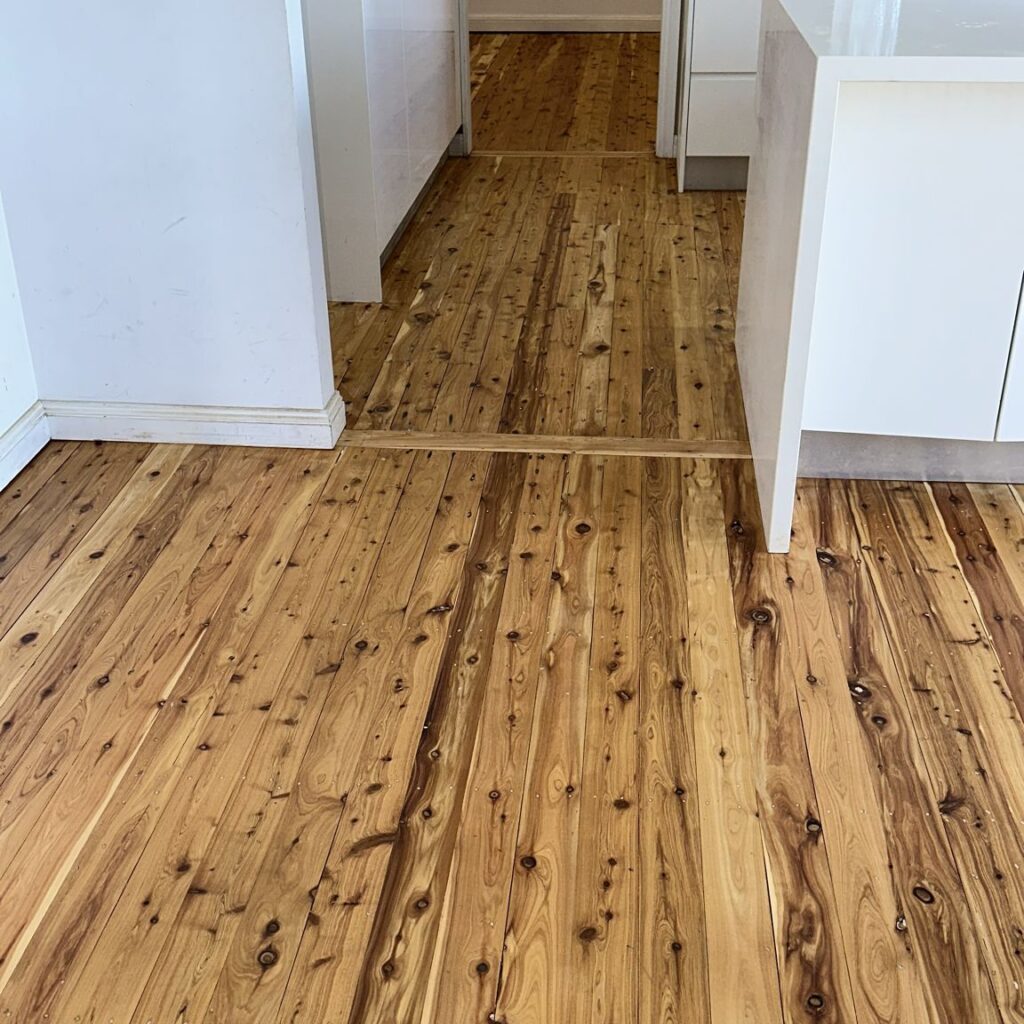
Does your living room resemble a patchwork quilt? When you move a rug after five years, you might discover the floor underneath is a completely different, richer colour than the surrounding wood. This is a classic case of UV damage. Sydney enjoys glorious sunshine, but that same sunlight filters through our windows, bleaching our floors.
Timber species like Spotted Gum and Blackbutt are tough, but no timber is completely immune to long-term UV exposure. It often causes a washed-out, “bleached,” or yellowed look, especially in north-facing rooms.
Other causes of discolouration:
Stains: Spills from wine, pet accidents, or even water left to pool can soak into the wood and leave permanent dark spots.
Yellowing: Old oil-based polyurethane finishes are notorious for “ambering” or turning a yellowish-orange colour over time, making your floors look dated.
The Solution: No amount of cleaning can undo UV damage or deep-set stains. Floor sanding is the only effective solution. It removes the entire sun-damaged or stained top layer of the timber, revealing the original, rich colour of the wood underneath. We can then apply a modern, non-yellowing, UV-resistant finish to protect your floors for years to come.
Sign 3: Peeling, Chipping, or Worn-Out Finish
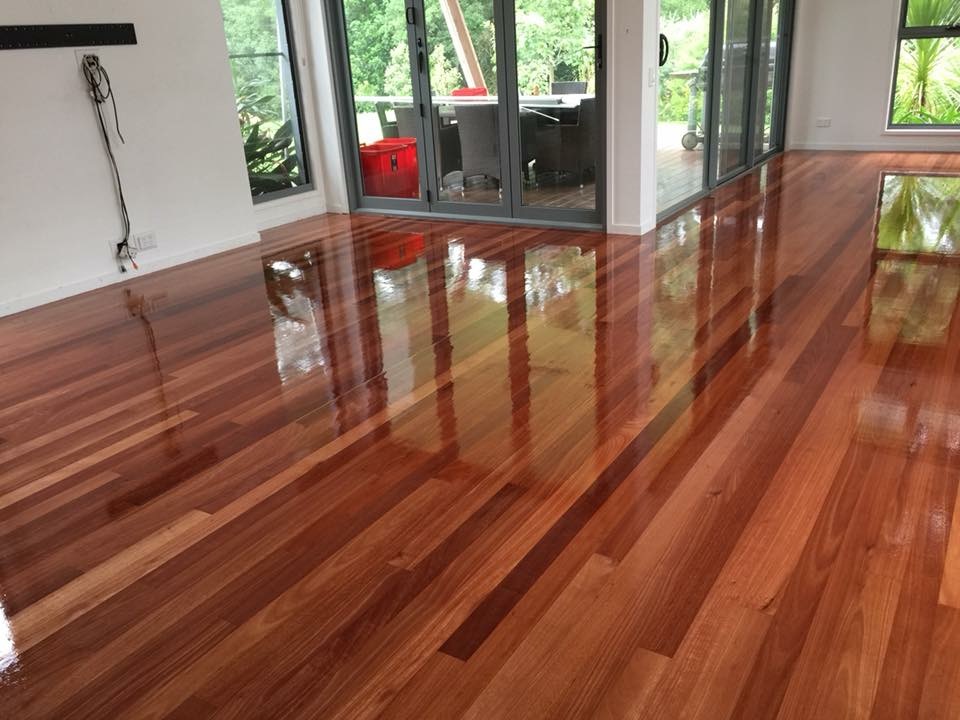
Examine the high-traffic “pathways” in your home. These are usually the routes from the front door to the kitchen or the area in front of the sofa. Do these areas look dull and flat compared to the room’s corners? This indicates that the protective topcoat has been completely worn away by foot traffic. In more severe cases, the old finish, particularly if it was of poor quality, may be visibly flaking, peeling, or chipping away.
Why this is a crucial issue: The finish (polyurethane, oil, or wax) acts as your floor’s armour. It’s designed to withstand impacts from footsteps, spills, and scratches. Once that armour is gone, you’re no longer walking on a protective layer; you’re walking on the raw, exposed timber. At this stage, every step pushes dirt into the wood grain, and every minor spill turns into a significant stain. The timber is now exposed, vulnerable, and will start to degrade quickly.
The Solution: This is a clear warning sign. The floor needs urgent timber floor sanding and polishing. We will remove the old, failing finish and the damaged, dirt-embedded timber underneath. Then, we will apply a new, high-quality commercial-grade finish that provides a durable, even, and attractive layer of protection.

Sign 4: Water Damage and Warping ("Cupping")
Water is timber’s greatest enemy. Even small amounts, over time, can cause catastrophic damage. Signs of water damage include:
Dark Stains: Black or dark grey spots that won’t clean off, often appearing around pot plants, fridges, or pet bowls.
Cupping: The edges of the floorboards are higher than the centre, giving the floor a “wavy” or scalloped appearance. This happens when the bottom of the board absorbs more moisture than the top.
Warping or Buckling: In severe cases, the boards will lift, twist, or tent upwards.
Why this matters: Water damage is more than just an aesthetic issue; it’s a structural problem. It can cause wood to rot, encourage mould and mildew growth (a major health risk), and weaken the overall stability of your floor.
The Solution: First, the water source must be repaired. Once the area is thoroughly dry, our team can assess the damage. If the damage is superficial (light staining or minor cupping), a thorough floor sanding can often fix the issue by levelling the boards and removing the stained surface.
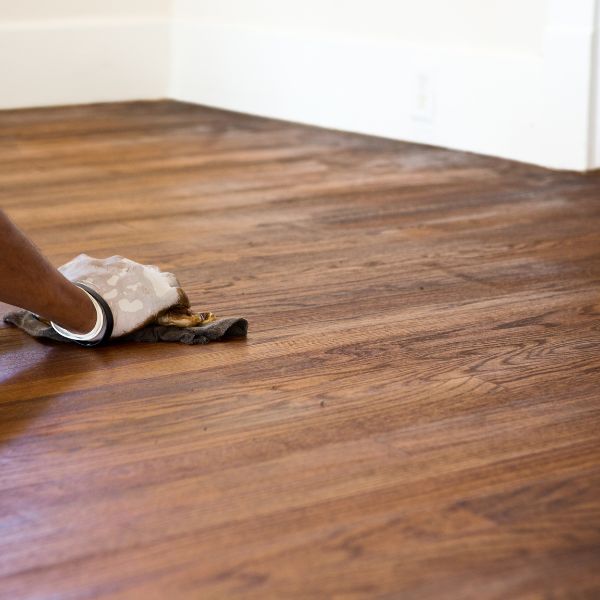
Note: In severe cases of buckling or wood rot, the damaged boards may need to be replaced before the sanding and polishing process can begin. We can advise you on this during our on-site inspection.
Sign 5: The "Greying" Effect and Overall Dullness
Sometimes, there’s no single disaster. Your floor isn’t covered in deep gouges, and it hasn’t been flooded. It just looks… lifeless.
The finish appears dull, with a muddy or grey colour, and it has lost its natural sheen and vibrancy. This “greying” is often caused by microscopic scratches and ingrained dirt that have accumulated over years, sitting in the worn-down protective layer. The timber’s natural grain and character are concealed beneath a layer of wear.
Why this happens: This marks the natural end-of-life for a floor’s finish. It has served its purpose for 7, 10, or 15 years, and now it has simply worn out. It can no longer be cleaned to a shine because the surface itself is eroded and full of impurities.
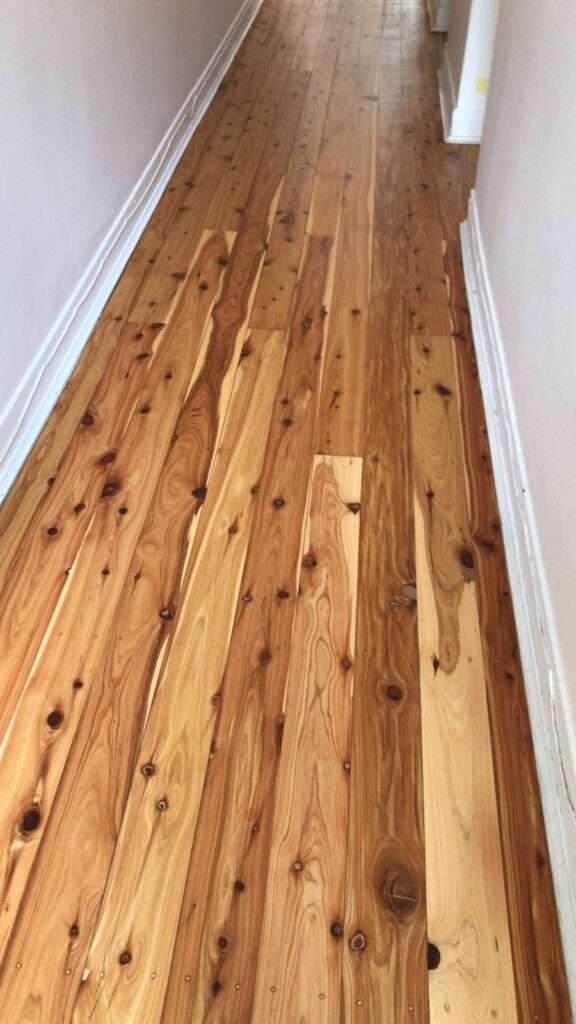
The Solution: This is the most satisfying “before-and-after” project. A professional timber floor sanding and polishing service will completely revitalise the surface. We sand back that tired, grey layer, and the moment the new finish hits the freshly sanded wood, the deep, rich colours and intricate grain patterns burst back to life. The transformation is truly stunning.

Your Floors Are Showing the Signs. What Next?
If you’ve found yourself nodding along to one or more of these points, your floors are sending a clear message: they need professional help.
But “help” can be confusing. Do you need sanding? Polishing? Refinishing?
Let’s clarify the terms you’ll see when searching for floor sanding Sydney.
Understanding the Process: Sanding vs. Polishing
Many clients use “sanding” and “polishing” interchangeably, but they are two distinct, essential parts of the same process.
Timber Floor Sanding: This is the restoration stage. We utilise professional-grade sanding machines with progressively finer grits of sandpaper. This process removes the old finish, all surface damage (scratches, stains, UV bleaching), and a micro-thin layer of the timber itself. This results in a raw, perfectly smooth, and ‘new’ surface.
Timber Floor Polishing: This is the protection stage. After sanding, the floor is buffed and vacuumed to be completely clean. We then apply several coats of a high-quality finish (often called “polish” or “sealant”). This finish gives the floor its shine (from matte to high-gloss) and, most importantly, forms a tough, protective layer for the years ahead.
A “screen and recoat” (or “buff and polish”) is a cheaper, lighter option that only abrades the existing finish before applying a new topcoat. This cannot address any of the 5 signs above. It is only suitable for floors in good condition with just a few light surface scuffs. For proper restoration, you need the full timber floor sanding and polishing service.

Why You Must Avoid DIY Floor Sanding
In a world of YouTube tutorials, it’s tempting to think you can hire a machine from a local hardware store and tackle your floors over a weekend.
As professionals with decades of combined experience, we implore you: please don’t.
The Risks of DIY Floor Sanding:
Permanent Damage: The “drum sanders” available for hire are heavy, aggressive, and very hard to control. One small slip can cause a “divot,” dip, or chatter mark to be permanently imprinted into your floor. These marks are extremely difficult to remove.
A Messy, Incomplete Job: We use high-powered, dustless sanding systems that capture over 95% of the dust. Hire machines are notoriously messy and will leave fine wood dust coating every surface in your home.
Poor Finish Application: Applying the polyurethane finish is an art. It must be done quickly, evenly, and in a dust-free environment. Common DIY mistakes include bubbles, “puddles,” brush marks, and embedded hairs or dust, leading to a finish that looks worse than the original.
Hidden Costs: After paying for the machine hire, sandpaper (you’ll use more than you think), finishes, brushes, and safety gear, the savings are often minimal, and you risk losing the value of your most important asset.
Your timber floors are a valuable feature of your Sydney home. Trying to save a few dollars can result in thousands of dollars in repair costs.
Frequently Asked Questions
The most common signs include visible scratches, gouges, and dents; fading or discolouration from sun damage (especially noticeable when you move a rug); a peeling or flaking finish in high-traffic areas; and a general dull, “grey,” or lifeless appearance that cleaning can’t fix.
Timber floor sanding is the first step: a restoration process that uses professional machines to remove the old, damaged finish and a micro-thin layer of wood. This erases scratches, stains, and imperfections. Timber floor polishing (or refinishing) is the second step: the application of multiple coats of a durable, protective finish (like polyurethane) to the newly sanded floor, giving it a fresh sheen and protecting it from future wear.
In many cases, yes. Professional timber floor sanding is strong enough to remove most scratches, scuffs, and even deep gouges by levelling the wood’s surface. It can also fix minor water damage, such as light “cupping” or surface stains. For serious damage like wood rot or significant warping, board replacement might be needed before starting the sanding process.
While traditional floor sanding was quite messy, modern technology has addressed this issue. At Precise Floor Sanding Sydney, we utilise professional-grade, dustless sanding systems. These machines are connected to powerful vacuums that capture over 95% of the dust as it’s generated, ensuring a cleaner, healthier process for your home.
For an average-sized home in Sydney (approximately 50-80 square metres), the entire timber floor sanding and polishing process usually takes 3 to 4 days. This includes the initial sanding, the application of several finish coats (with drying time in between), and the final buffing.
DIY hire machines are hard to control and can easily cause permanent, expensive damage like divots and chatter marks on your floor. Professionals use high-quality dustless tools, have the skills to apply the finish perfectly (avoiding bubbles and streaks), and know how to work with different Sydney timber species. For a guaranteed, top-notch result, a professional service is the safest and most valuable investment.
